Medical Detox: Safe, Supervised Withdrawal Care
Around-the-clock medical support to make withdrawal safer and more comfortable
Understanding Medical Detox
Medical detox is the process of safely clearing drugs or alcohol from the body while managing withdrawal symptoms under medical supervision. It's the essential first step for anyone with a physical dependence — not treatment itself, but the foundation that makes treatment possible.
How Works
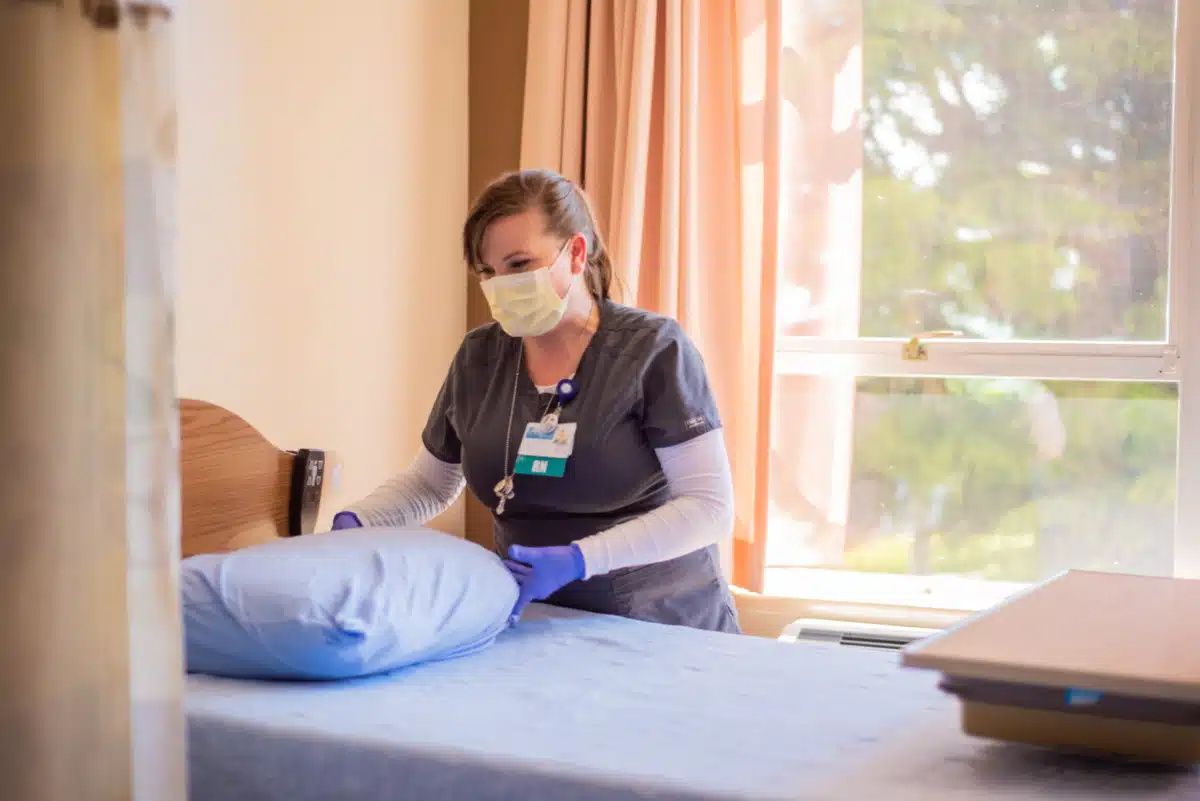
During medical detox, a team of doctors, nurses, and addiction specialists monitors you around the clock. They check vital signs regularly, give medications to ease withdrawal symptoms, and watch for complications. The goal is to make withdrawal as safe and comfortable as it can be.
Unlike a "cleanse" or "flush" (terms with no medical meaning), medical detox deals with the physical reality of dependence. When your body has adapted to a substance's constant presence, removing it causes predictable reactions — some simply uncomfortable, others genuinely dangerous. Medical detox exists to manage those reactions.
Vs Cold Turkey
Quitting "cold turkey" without medical support can be dangerous, especially with alcohol, benzodiazepines, and in some cases opioids. Alcohol withdrawal can bring on seizures and a condition called delirium tremens (DTs) that can be fatal without treatment. Benzodiazepine withdrawal carries a similar seizure risk.
Even when it isn't life-threatening, unsupervised withdrawal is often miserable enough that people go back to using just to make it stop. Medical detox breaks that cycle by making withdrawal manageable, giving you a real shot at completing detox and moving into treatment.
When Medical Detox Is the Right Choice
Medical detox becomes necessary once physical dependence has developed and stopping use would trigger withdrawal. Signs it may be the right next step include:
- Daily or near-daily use of alcohol, opioids, or sedatives
- Previous attempts to quit on your own that didn't stick
- A history of severe withdrawal symptoms or seizures
- Using just to avoid feeling sick (physical dependence)
- A co-occurring medical or mental health condition
- Use of more than one substance
If you're unsure whether medical detox is needed, an assessment with a treatment provider or your doctor can help you find the safest path forward.
Which Substances Call for Medical Detox
Different substances call for different detox approaches. Here's what to expect from each:
Detoxing from Alcohol
Alcohol detox is among the most medically serious. Symptoms typically start 6-12 hours after the last drink and can include anxiety, tremors, sweating, nausea, and insomnia. Symptoms usually peak around days 2-3 and may include hallucinations, severe confusion, and seizures. Delirium tremens (DTs) occurs in roughly 5% of people withdrawing from alcohol and can be fatal without treatment.
Medical detox for alcohol typically relies on benzodiazepines (such as Librium or Valium) to prevent seizures and ease symptoms. Most people complete this phase in about 5-7 days. Learn more about alcohol addiction treatment.
Detoxing from Opioids
Opioid detox feels a lot like a severe flu — muscle aches, nausea, vomiting, diarrhea, insomnia, and intense cravings. It's rarely life-threatening in otherwise healthy people, but it's extremely uncomfortable and carries a high relapse risk without medication support.
Modern opioid detox often transitions directly into MAT rather than aiming for total abstinence right away, and this approach dramatically improves outcomes. The acute phase typically runs 5-10 days.
Benzos
Benzodiazepine detox (Xanax, Valium, Klonopin, Ativan) requires a slow, careful taper — never abrupt cessation. Stopping suddenly can trigger life-threatening seizures. The taper can take anywhere from weeks to months depending on the dose, how long someone used, and which benzodiazepine was involved.
Because the timeline runs longer, benzodiazepine detox often continues into residential or outpatient treatment rather than standing alone as a separate phase.
How Medications Support Withdrawal
Medication is the backbone of medical detox — used to manage specific withdrawal symptoms and head off dangerous complications. Exactly which medications are used depends on the substance:
For alcohol withdrawal: Benzodiazepines (such as diazepam, chlordiazepoxide, or lorazepam) are the gold standard, preventing seizures and easing anxiety, tremors, and agitation. Anticonvulsants like carbamazepine or gabapentin may also be used. For patients with liver damage, shorter-acting options like lorazepam are usually preferred.
For opioid withdrawal: Buprenorphine or methadone is commonly used to ease withdrawal and can continue afterward as part of longer-term medication-assisted treatment. Clonidine may help with autonomic symptoms (sweating, rapid heart rate, goosebumps), and additional medications target specific symptoms — anti-nausea drugs, anti-diarrheal agents, sleep aids, and non-opioid pain relievers.
For benzodiazepine withdrawal: A long-acting benzodiazepine (typically diazepam) is used in a carefully managed taper, with the dose lowered gradually over days or weeks. This slow approach prevents seizures and lets the brain readjust safely — stopping benzodiazepines abruptly can be life-threatening.
Supportive medications across all detox types may include sleep aids (trazodone, melatonin), anti-anxiety medications, muscle relaxants, antacids, and vitamins (especially thiamine and folate for people withdrawing from alcohol). The medical team keeps evaluating and adjusting the regimen based on how you're doing.
What Happens During Detox
Knowing what medical detox actually involves can ease some of the anxiety about starting treatment. Every person's experience is a little different, but the process generally follows a predictable path:
Intake Assessment
On arrival, the medical team runs a thorough evaluation — a physical exam, blood work, urine drug screening, a review of your substance use history, and a look at any co-occurring medical or mental health conditions. This shapes your individualized detox plan, including which medications will be used and how closely you'll need to be monitored.
The Acute Withdrawal Phase
The acute withdrawal phase is when symptoms peak. For alcohol, that's usually 24-72 hours after the last drink; for opioids, peak withdrawal typically hits 36-72 hours after last use. During this window, you'll get round-the-clock monitoring with vital signs checked every few hours. Medications are given on a schedule and as needed for symptoms like nausea, anxiety, tremors, insomnia, and pain, with the medical team adjusting your protocol in real time based on how you respond.
The Stabilization Phase
As symptoms begin to ease, you move into the stabilization phase. Monitoring continues but may happen less often. You'll start feeling physically better, and the treatment team will begin talking through next steps for ongoing care. This is often when patients start light participation in therapeutic activities — group discussions, psychoeducation, or meeting with a counselor to shape a continuing care plan. The goal is a smooth handoff to the next level of care, not just a discharge.
Will Detox Be Painful?
Fear of pain and discomfort keeps a lot of people from seeking detox in the first place. It's worth being honest: withdrawal can be uncomfortable, but medical detox exists specifically to keep that discomfort as low as possible.
With today's medications and protocols, most patients find medical detox considerably more manageable than they expected — and far less rough than the "cold turkey" attempts they may have tried on their own. Medications can control the worst of it: anti-nausea drugs prevent vomiting, sleep aids help with insomnia, buprenorphine or methadone virtually eliminates opioid withdrawal pain, and benzodiazepines guard against the dangerous effects of alcohol withdrawal.
That said, some discomfort is normal to expect. You may notice mild anxiety, restlessness, difficulty sleeping, or general malaise even with medication on board. The medical team checks in on your comfort regularly and adjusts medications as needed. If something feels unbearable, tell your nurse or doctor — they have more tools available and want you as comfortable as possible.
Many patients find this perspective helpful: a few days of manageable discomfort during detox is a small price next to the ongoing toll of active addiction. And unlike trying to quit alone, in medical detox you're never doing it by yourself — a team is there for your safety and comfort every step of the way.
How Long Detox Typically Lasts
How long detox takes depends mostly on the substance, how severe the dependence is, and individual health factors. Typical timelines look like this:
- Alcohol detox: 3-7 days. Symptoms typically start 6-12 hours after the last drink, peak at 24-72 hours, and gradually ease over the following days. The riskiest window (seizures and delirium tremens) falls within the first 48-96 hours
- Opioid detox (heroin/fentanyl): 5-7 days for acute withdrawal. Symptoms start 8-24 hours after last use and peak around day 2-3. It's rarely life-threatening, but it's extremely uncomfortable without medical support
- Opioid detox (long-acting, like methadone): 7-14 days or longer. Methadone's longer half-life means withdrawal starts later and drags on longer
- Benzodiazepine detox: 1-4 weeks or more. Given the seizure risk, this involves a slow, medically supervised taper rather than stopping abruptly
- Stimulant detox (cocaine/methamphetamine): 3-5 days. Physically less dangerous than the others, but it can bring on serious depression, fatigue, and intense cravings that benefit from medical monitoring
These are general guidelines — every person's timeline varies somewhat. Detox can run longer for people with a long history of heavy use, use of multiple substances, poorer overall health, or older age. Your medical team won't rush the process; discharge happens when you're medically stable, not on a fixed schedule.
Detox Is Not the Same as Rehab
It's worth being clear about this: detox is not treatment. Detox addresses physical dependence; treatment addresses the addiction itself. Without follow-up care, relapse rates after detox alone run extremely high — some studies put it at 65-80% within the first year.
Think of detox as clearing the ground before building a house — essential, but you can't live in a cleared lot. After detox, most people need ongoing care, typically residential treatment, partial hospitalization (PHP), or intensive outpatient (IOP) to work through the underlying causes of addiction and build skills for lasting recovery.
Next Steps After Detox
Finishing detox is a real milestone, but it's just the start of recovery. Detox addresses physical dependence; the deeper work of understanding and overcoming addiction happens in the treatment that follows. Without ongoing care, relapse rates after detox alone run 65-80% — which is exactly why a solid continuing care plan matters so much.
Recommended next steps after detox include:
- Residential treatment (30-90 days) — an immersive, structured setting with daily therapy, away from everyday triggers and stress. Often the best fit for severe addiction, limited support at home, or multiple past relapses
- Partial hospitalization program (PHP) — 5-6 hours of daily treatment while living at home or in sober housing. A solid middle ground between residential and outpatient care
- Intensive outpatient program (IOP) — 3-4 hours of treatment, 3-5 days a week, letting patients keep up with work and family while still getting significant support
- Medication-assisted treatment — for opioid and alcohol addiction, continuing on MAT medications after detox meaningfully lowers relapse and overdose risk
- Support groups — starting to attend 12-step meetings or other peer support groups during or right after detox helps build a recovery community early on
Good detox programs help line up your next level of care before you're discharged, often including direct admission to partner treatment programs. If a detox program offers only detox with no transition planning, treat that as a red flag — the strongest programs treat detox as the first step in a continuum of care, not a standalone service.
Need Help Finding the Right Care?
Browse our directory or call to discuss your care options.
Quick Answers: Medical Detox
Resources & Further Reading
Ready to Take the Next Step?
Browse WA programs offering medical detox to find the right fit for your mental health and recovery journey.